


Regional and seasonal: the taste of Luxembourg in August
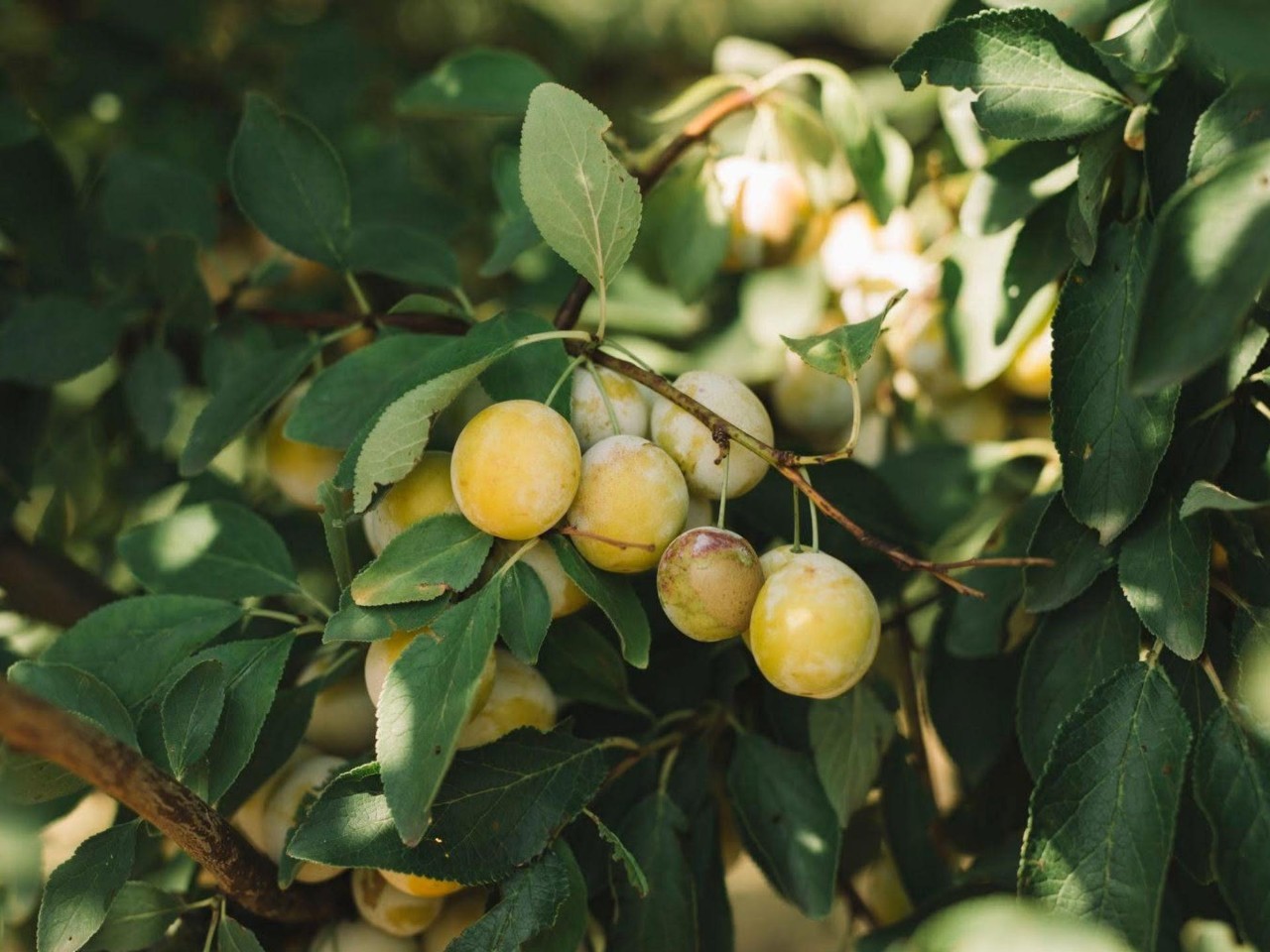
Adopting a regional and seasonal diet helps you to eat better, support the local economy, protect the environment and reconnect with authentic seasonal produce while savouring the best of local cuisine. Fancy eating and cooking local produce? Every month over the summer we showcase a fruit and a vegetable, plus a few producers, and share some inspiring recipes to nourish your body and mind. In August, the spotlight is on mirabelles and courgettes.
Mirabelles from Ferme Batty Kapgen
The Batty Kapgen orchards, situated in Steinsel, form a truly unique natural gem in Luxembourg. This biotope brings together a wide variety of low-stem fruit trees, of varying ages and varieties, creating a vibrant and authentic landscape. Spanning around 6.5 hectares, the orchard produces cherries, plums, pears and, above all, a rare summer treasure: the mirabelle plum, a veritable ray of sunshine in fruit form.
A delicate and prized fruit, the mirabelle plum is particularly sensitive to frost, which makes it demanding to grow and results in an exceptionally short harvest period. For barely four weeks, from mid-August to early September, these small golden fruits reach maturity. This very limited harvesting window makes them a particularly sought-after and much-loved speciality, even more so as they are naturally rich in vitamin C and full of sun-kissed flavours.
Batty Kapgen's mirabelle plums are sold under the regional label Eist Uebst a Geméis (our fruit and vegetables, in English), a true mark of quality and authenticity. This label highlights the expertise of Luxembourgish producers by guaranteeing local origin, respect for the seasons and high-quality standards. It brings together 12 committed producers, mainly based in the Guttland region, who passionately cultivate a wide variety of fruit and vegetables whilst respecting traditions and the environment.
Thanks to Eist Uebst a Geméis, you can find these products in Cactus supermarkets and enjoy local, fresh and carefully grown fruit and vegetables throughout the season.


Did you know?
Mirabelles are not just any old plums – they are a specific variety ("Prunus domestica subsp. Syriaca") known for their exceptional sweetness and fragrant flavour. The word mirabelle comes from the Latin "mirabilis", meaning wonderful or marvellous. Given their delicate taste and relative rarity compared to other plums, they thoroughly deserve this evocative name!
co-labor courgettes
You might think a courgette is just a courgette. But at co-labor, it is much more.
co-labor is a Luxembourgish company engaged in the social and solidarity economy, which for more than 40 years has been providing job-seekers with a pathway to long-term employment and social reintegration. Through its work in organic farming, horticulture and nature management, it combines skills development, local production and commitment to sustainable agriculture.
In summer, courgettes are one of the most harvested vegetables in co-labor's fields. They are produced using organic farming methods and found throughout the summer season in the company's baskets and restaurants, as well as at markets.
You can sample co-labor's products with its Grénge Kuerf organic baskets, which you can collect or have delivered to your home, or at its restaurants in Bertrange and Walferdange, which serve an entirely organic, seasonal menu based on the "field to fork" concept. All the dishes are prepared with fruit and vegetables grown by co-labor, and are available to enjoy on site or to take away. The restaurants also serve as shops selling co-labor's organic products.
co-labor products can also be found at various local markets: on Wednesdays and Saturdays in Luxembourg City (Place Guillaume II), Thursdays in Dudelange (Place de la Mairie), and Tuesdays and Fridays in Walferdange (Route de Diekirch).
co-labor organises teaching and awareness activities aimed at the general public, schools and groups.
Behind the vegetables, co-labor also has a strong social purpose. Every season is an opportunity for individuals to develop their skills, rebuild their confidence and set out on a pathway to employment, while contributing to local organic farming.


Did you know?
Even though it is cooked as a vegetable, the courgette is technically a fruit, as it grows from the flower and contains seeds. Courgette flowers are a delicacy in Mediterranean cuisine. They are often eaten stuffed, as fritters or simply fried.
The courgettes grown for sale in shops are harvested while young. If left to grow, they can end up weighing several kilos and measuring more than a metre in length! At the height of summer, courgettes can grow several centimetres a day.
Recipe: mirabelle and plum compote
Mirabelles are fragile and don't last for long after being picked. If harvested when fully ripe, they can be kept for two to three days at room temperature or up to a week in the vegetable drawer in the fridge.
To enjoy them for longer, you can freeze them after washing them and removing the stones; use them to make a jam, compote or tart; dry them; or preserve them in jars.
To encourage you in your efforts to reduce your environmental impact, here is a recipe from aAntigaspi (a nationwide anti-waste initiative) for a mirabelle and plum compote designed to use up surplus fruit so that you can savour these little golden gems out of season.
The recipe combines ripe mirabelles and plums, delicately flavoured with cinnamon. The fruit is cooked with a small amount of apple juice and some raisins to provide natural sweetness, then blended into a smooth compote. It is easy to prepare and can be kept in the fridge and enjoyed with yoghurt or ice cream or on toast. It can also be used in tarts and cakes.
To see the full list of ingredients and the method, go to the antigaspi website.
Working together to tackle food waste
What if reducing food waste became both a habit and a source of culinary inspiration? Antigaspi.lu can help you with practical advice, daily tips and great ideas to use up leftover food. The platform is full of resources – from creative recipes, fun quizzes and participatory initiatives to advice on keeping food – to help you adopt a more sustainable approach to what you eat, while also saving money.
Antigaspi has 8 golden rules that everyone can adopt at their own level, with practical tips on everything from buying habits to using up leftovers. Become an antigaspi advocate and check out these simple and often humorous rules for yourself!


Gielt Band (yellow ribbon, in English) is another antigaspi initiative aimed at tackling food waste by giving people permission to pick fruit from trees decorated with a yellow ribbon free of charge. Every year, huge volumes of ripe fruit go to waste in gardens, orchards and public spaces. This initiative gives the fruit a good home by encouraging people to pick and enjoy it. The Gielt Band campaign is a simple and effective way of promoting sharing, making use of local resources and raising awareness of the importance of eating sustainably, while also passing on traditional know-how on using and preserving fruit.
Last update