


Top 5: museums for understanding our shared history
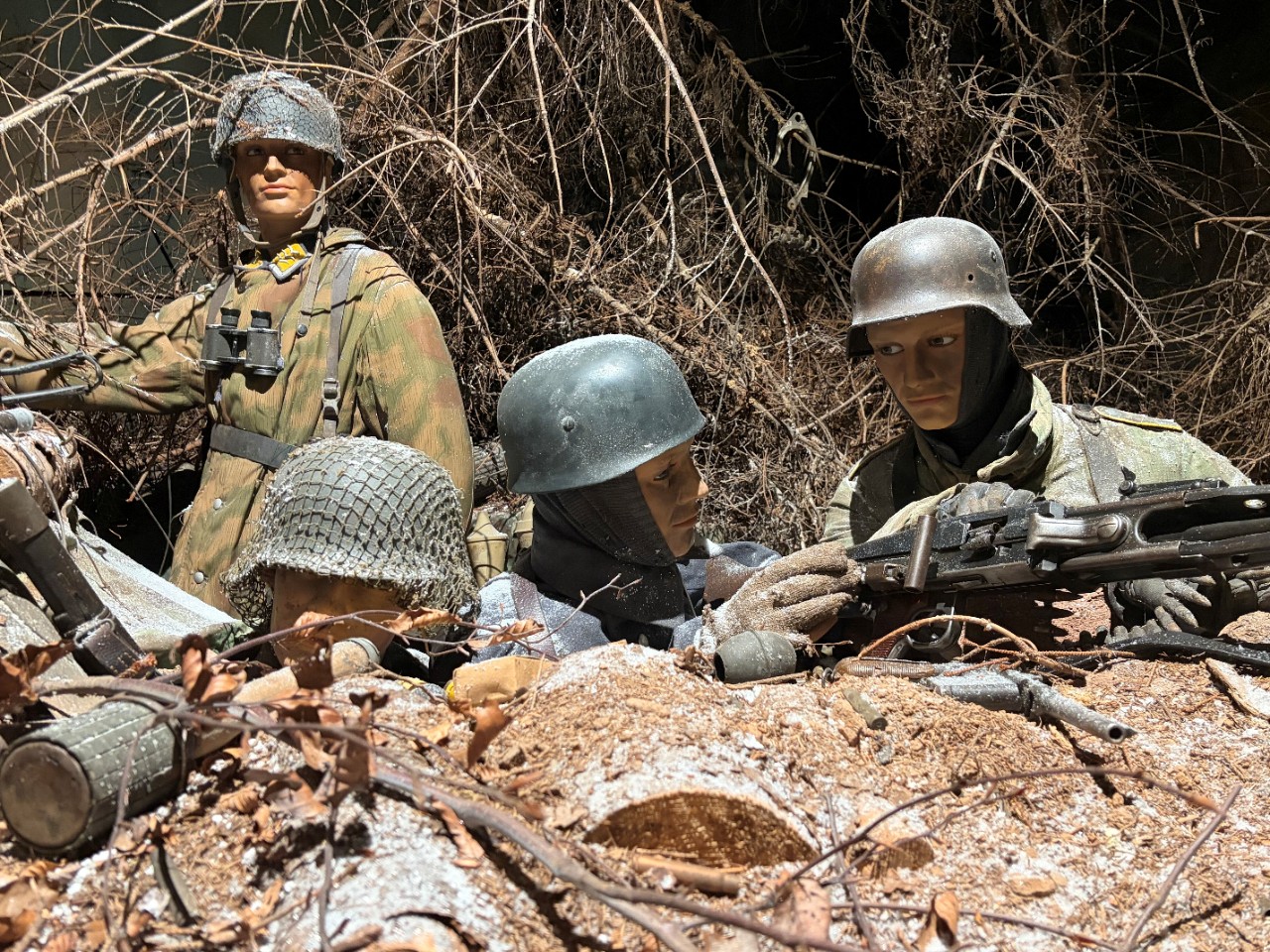
Although Luxembourg has experienced its share of troubled times and periods of conflict throughout the centuries, its museums focus in particular on the history and events of the Second World War. They cover the Nazi occupation, deportations and the resistance, the Battle of the Bulge and Luxembourg’s liberation, making the country a top destination for historical tourism. Through their collections, these museums strive to preserve their historic heritage and pay tribute to the stories they now host. Take a look at our pick below.
National Museum of Resistance (Esch-sur-Alzette)
The Second World War had a profound impact on Luxembourg and irrevocably changed the course of its history. Visiting the National Museum of Resistance and Human Rights (MNRDH) is one of the best ways of understanding this key event in the country’s past. The museum – opened in 1956 and modernised in 2024 – reminds visitors of their duty to remember, ensuring the historic events of the war will never be forgotten.
In its permanent exhibition, which covers two floors, the museum retraces the Nazi occupation and deportations and the resistance through contemporary objects, archive documents and personal accounts. From the very first exhibit, the authenticity is striking. Displayed items include prisoners’ possessions such as shoes, spectacles, combs, letters, cookware and utensils, while a concentration camp hut brings even more profound insight into the reality prisoners faced. A visit is highly recommended to ensure that history – and its lessons – are not forgotten.


Battle of the Bulge Museum (Wiltz and Clervaux)
To better understand the Battle of the Bulge, immerse yourself in the exhibitions at the museums in Wiltz and Clervaux.
The tank guarding the entrance to the magnificent Clervaux Castle sets the tone. Here, the memory of the war lives on, drawing visitors into the heart of military history. With a vast collection that belies its small size, the museum transports visitors back in time to the winter of 1944-1945 to tell the story of the Battle of the Bulge. This dark period, which lasted for almost two months, is brought to life through a wide-ranging collection of documents, uniforms, authentic weapons and striking dioramas recreating scenes from the battle.
Opened in 1970, the Museum of the Battle of the Bulge in Wiltz also commemorates the German offensive in the Ardennes and the town’s liberation by American troops. A staggering number of the items on display illustrate the lives of soldiers and civilians, while memorable moments such as the resistance, the defence of the town and life alongside American soldiers also feature prominently. More tragically, visitors will also relive the terrible destruction of Wiltz, which earned it its name of the Cité Martyre – the Martyr Town.
Deportation Memorial Museum (Luxembourg City)
The Deportation Memorial Museum is a place of remembrance of Luxembourg’s history during the Second World War. It was here, at the old Hollerich railway station, that young Luxembourgers were deported to Germany after being forcibly conscripted into the German army. The station was also where the fate of Luxembourg’s Jewish community was sealed when deportations to the ghettos and death camps began. Today, it is home to a small museum, in which an exhibition on what befell the young conscripts and the Jewish people deported from the station was installed in the 1990s.


National Museum of Military History (Diekirch)
At just €5, a ticket to the National Museum of Military History in Diekirch is an excellent investment. For this modest sum, you find yourself at the very heart of military history, discovering the Battle of the Bulge in Luxembourg during the winter of 1944‑1945, surrounded by more than 100,000 pieces displayed over some 3,000m2. The museum houses a vast collection of weapons, vehicles of all kinds, uniforms, photos and soldiers’ personal items.
As you travel back to the time of the war, immerse yourself in soldiers’ daily realities through life-sized dioramas from amidst the battle, offering a faithful insight into their everyday lives and their experiences of the front.
With realistic reconstructions and authentic exhibits, the museum also chronicles the First World War and the Korean War. Part of the museum also covers the history of the Luxembourg Army.
General Patton Memorial Museum (Ettelbruck)
Even the outside of the General Patton Memorial Museum proclaims the history contained within its walls. A portrait of the general is in pride of place and his name is emblazoned over the entrance. It’s clear at a glance that the museum is a tribute to General George S. Patton Jr., commander of the Third United States Army, who liberated the town of Ettelbruck in December 1944.
As soon as you cross the threshold, you feel the breath of history on your face and your eye immediately falls on the imposing statue of General Patton. Every item carries whispers of stories from the past.
A unique collection of tanks, military vehicles and artillery pieces, uniforms, helmets and personal items surrounds visitors at each step. The museum also features a reconstruction of General Patton’s desk, adorned with strategic maps and battlefield photos. Experience the campaigns and battles of the Second World War through photos and films, while the sounds of explosions and bombardments only add to the realism. It’s a fascinating, accessible and genuinely unforgettable visit.
Last update